
IA quarter-final that is no longer an incident
This week, France meets Morocco in the quarter-finals of the 2026 World Cup. In December 2022, the same fixture produced two parallel stories: a historic semi-final on the pitch, an outpouring of hate off it. Racist accounts, riot fantasies, columnists demanding that dual nationals choose a side. Four years on, the same fixture is billed as a classic of world football. That shift in the story is not an accident. It is a result.
Morocco makes a textbook case for one precise reason: here is a state that understood that visibility draws attack, and built accordingly. The hostility it receives is proportional to the position it holds. Every sporting victory, every diplomatic success, every tourism record produces its spike of hostility: rival regional networks, European far-right circles, concerted campaigns. Rabat does not try to silence the noise. It accumulates assets that make the noise pointless.
IITwenty years of assets, not a campaign
A state’s reputation is not decreed in an annual communications plan. It compounds. Tourism gives the measure: the Moroccan curve crosses a pandemic that erases 80% of arrivals, then climbs back above its trend. In 2024 the kingdom overtakes Egypt and becomes the continent’s first destination. The stated objective for 2030 is 26 million visitors. That curve is not built with messaging. It is built with air routes, stadiums, agreements, and a story held long enough to become a fact.
The curve that hostility never bent
INTERNATIONAL TOURIST ARRIVALS IN MOROCCO · MILLIONS
SOURCES: MOROCCAN TOURISM OBSERVATORY / ONMT. THE DOTTED LINE SHOWS THE OFFICIAL TARGET, NOT A FORECAST.
IIIFive defeats before the victory
What truly instructs the Moroccan file is not the 2030 designation. It is the five losing bids that precede it. 1994, 1998, 2006, 2010, 2026: five public failures, the last by 134 votes to 65. Most states bury that kind of humiliation. Rabat turned it into a story of constancy: each bid left stadiums, technical files, relationships at FIFA and across the African federations. When the turn of 2030 came, there was no longer a debate.
Six bids, one designation
MOROCCO’S BIDS TO HOST THE WORLD CUP
SOURCE: FIFA. THE 2030 BID IS CARRIED WITH SPAIN AND PORTUGAL.
IVThe hostility, and what Rabat does with it
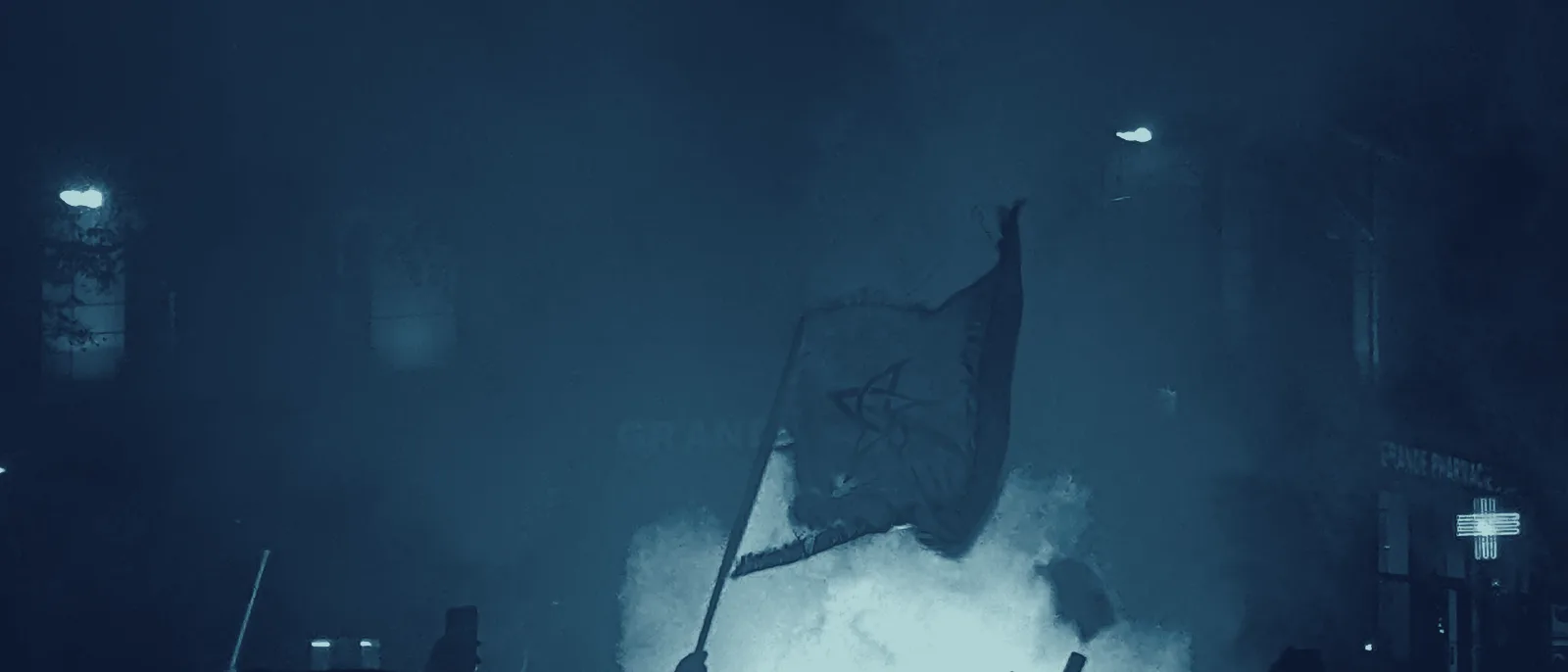
December 2022 remains the demonstration. While the Atlas Lions were putting out Belgium, Spain and then Portugal, the French-speaking internet filled with another serial: calls to hatred, an obsession with flags, supporters conflated with rioters, players targeted with racist abuse. A less prepared state would have answered with the indignant press release, which is to say with nothing.
The Moroccan answer took another form. First the image: a team celebrating with its mothers before the cameras of the world, supporters filmed cleaning the stands, a map of the kingdom raised at every stage. Then the relays: a diaspora of five million that fills the comment space faster than the hostile accounts. Finally the agenda: within eighteen months, the kingdom secures the 2030 designation, then French recognition on the Sahara. To each provocation, the answer is a position won, not a right of reply.
“Why not dream of winning it?”
WALID REGRAGUI, MOROCCO HEAD COACH, DECEMBER 2022This hostility must be seen for what it is: a permanent flow, organised in part, opportunistic for the rest, revived at every fixture. It will not disappear. This week’s quarter-final will raise a new wave of it, whatever happens on the pitch. The difference is that it now breaks against a consolidated asset: first tourist destination on the continent, an anchor at FIFA, major diplomatic recognitions. The hostility no longer has purchase on the trajectory. It is merely an indicator of the altitude reached.
- Hostility follows visibility as the shadow follows the body. A rising state will be attacked at the peak of every success. The capacity to respond is budgeted before the victory, never after.
- A state’s reputation is infrastructure, not a campaign. It is measured in assets compounded over twenty years: routes, stadiums, recognitions, stories held. What is built in three months is destroyed in three days.
- Documented defeats are part of the capital. Five losing bids, owned and compounded, are worth more than a doctored record. Constancy is the one story an adversary cannot turn.
- Hostility is not answered with a denial, but with a position. The indignant press release feeds the adversary’s sequence. The position won closes it.